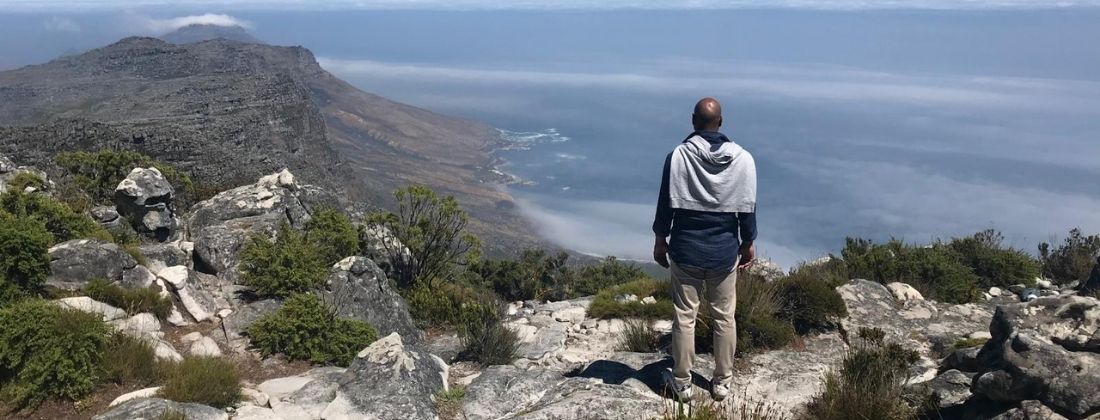
3 Magazine recently dedicated an issue to Africa. Writing the opening letter made me go back to where my own ideas about the continent began. I was six years old, watching Live Aid coverage of the famine in Ethiopia. For a long time, that was the only Africa I knew.

Travelling through South Africa, Kenya and Rwanda changed that picture completely. I’m sharing the letter here because the lesson reaches well beyond Africa. Anyone doing business across cultures carries assumptions they never chose. Unlearning them is where real understanding starts.

If you work with global markets, I hope it makes you curious enough to look again.
Africa, Unlearned
A publisher’s reflection on unlearning inherited narratives about Africa and seeing the continent’s complexity, creativity and future potential.
My first impression of Africa came in July 1985. I was six years old, watching images from Live Aid, the concert created by Bob Geldof and Midge Ure that raised more than USD100 million for famine relief in Ethiopia. I didn’t understand geopolitics; I was six. But I understood the images. And somewhere in my young mind, those images became associated with Africa.
Years later, while working in South Asia in 2001, people would speak to me about the enormous opportunities in Africa, its young population and vast stretches of fertile land. Something didn’t add up. My first memory of Africa was famine. Now people were telling me about some of the most fertile land in the world. Both things couldn’t possibly represent the whole story. Yet, strangely, I never went.
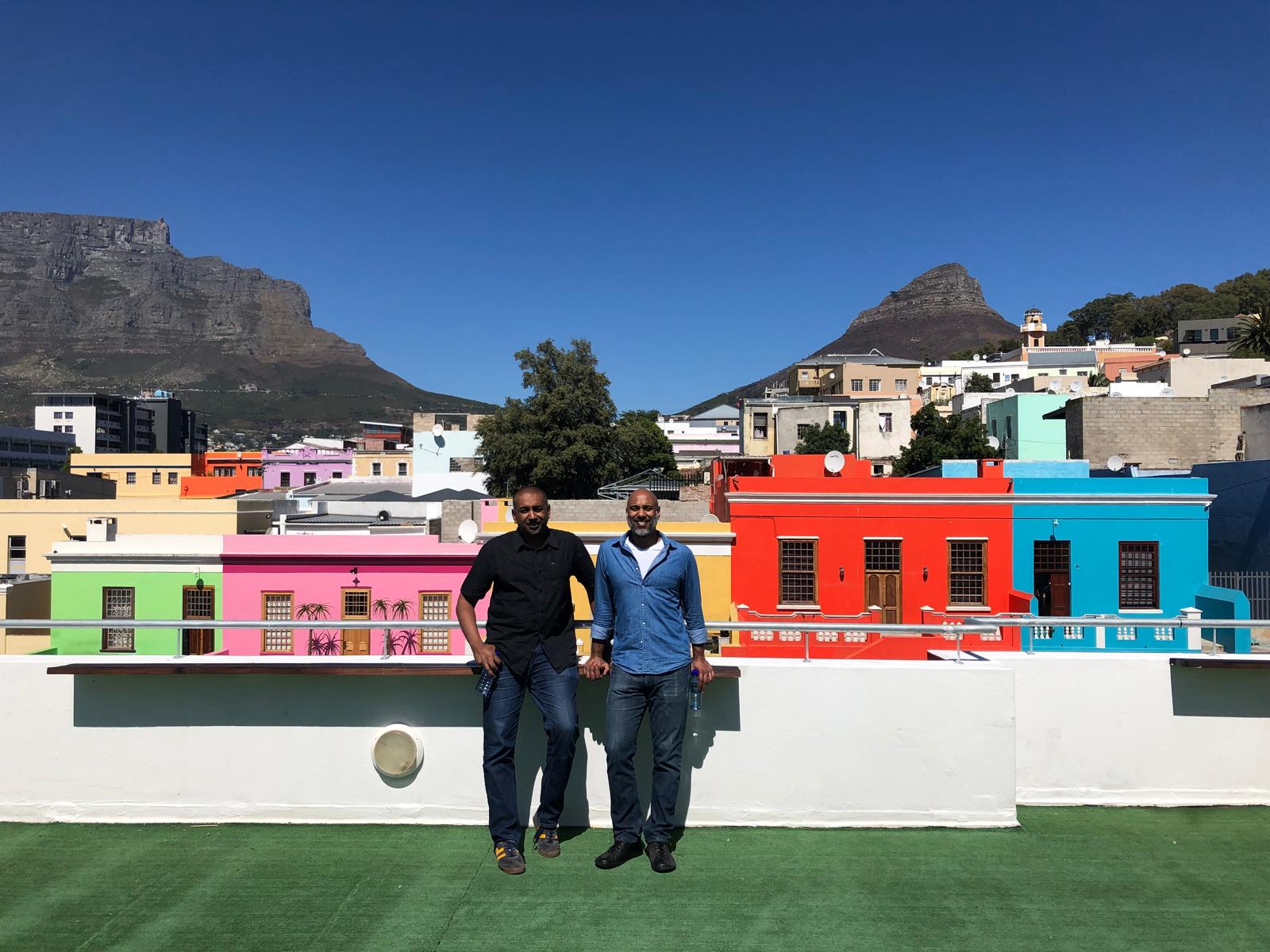
Then, after returning to Canada in 2013, when a friend from my young, single days in Toronto told me he was going to walk across Africa, my response was immediate: “Brother, please don’t. You’re going to die!” He walked from Cape Town to Cairo and transformed his life. Perhaps I should have listened more closely.
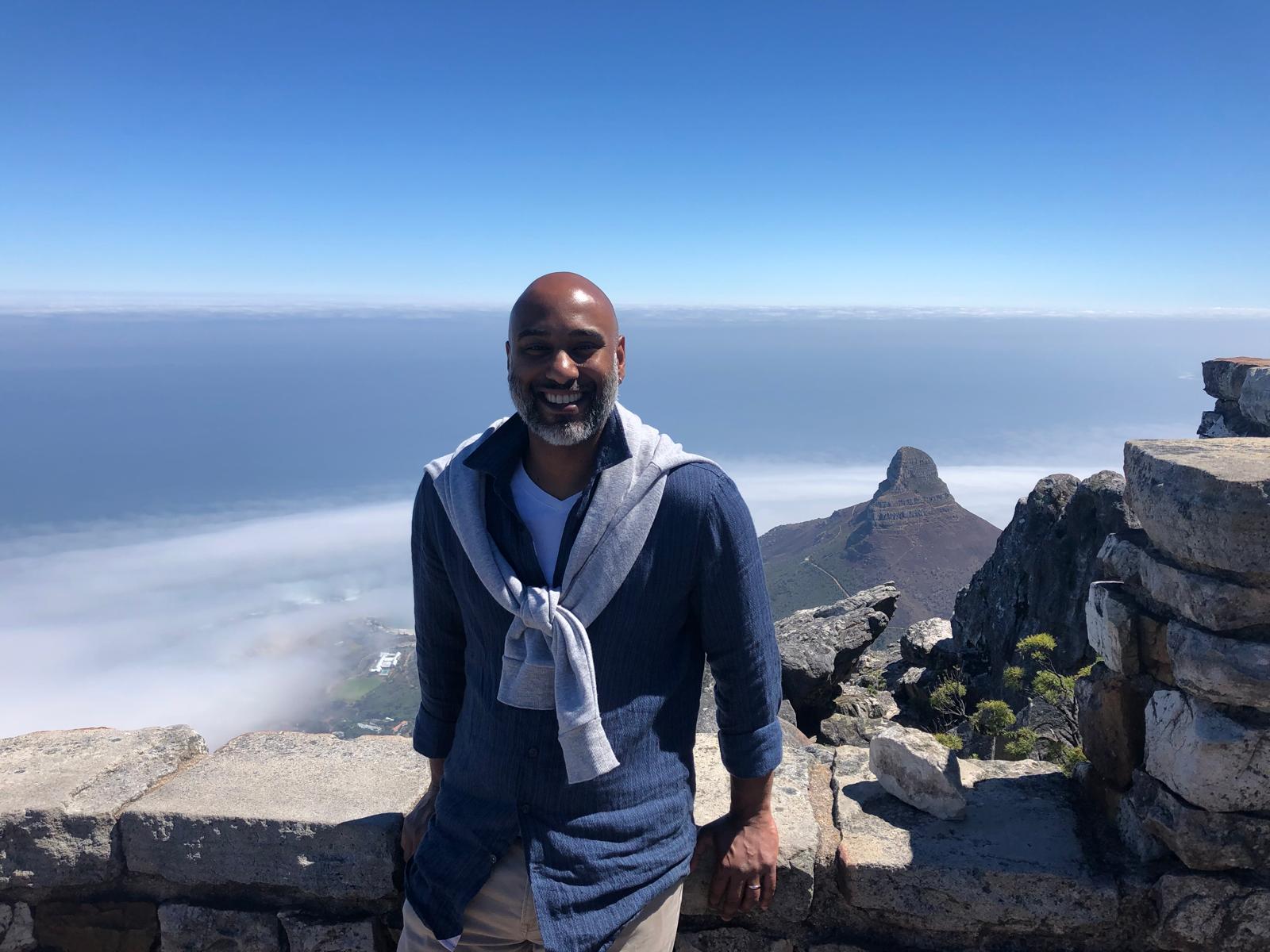
It wasn’t until 2019 that I visited South Africa, where the people and the energy helped me understand the meaning of “life-changing.” In 2023 I visited Kenya. I fell in love, registered 369 Global there and will launch this issue of 3 in Nairobi. Earlier this year, I was also fortunate to visit Kigali, Rwanda, which though still scarred by the horror of the 1994 genocide is also showing us what the Rwandan people are building in its wake.
My experiences have taught me something remarkably simple: There isn’t one Africa.
For generations, the world’s perception of Africa has been shaped by famine, poverty, conflict and aid. Those realities exist, but they were never the whole story. Africa has always been a story of creation, by its people, resources, knowledge and cultures. In 1959 J. A. Rogers challenged the idea that Africans were peripheral characters in the development of the modern world. In essence, he argued you cannot properly tell that story of the modern world without Africa. And its next chapter may be even more consequential.
The world is aging. Africa has the world’s youngest population. The world is searching for talent. Africa has over one billion people. The world needs food, energy and critical resources. Africa has enormous potential to provide them. The opportunity for Africa isn’t simply to become more visible. It is to convert its influence into agency—to own more of what it creates, educate and employ its young people, build strong institutions, trade more within the continent and tell its own stories. And maybe the rest of us need to become better listeners.
That is why we created 3. Not to tell you what to think, but to make you curious enough to look again. This issue is our invitation to look again at Africa—to move beyond what we think we know. My journey began with an image on a television screen at six years old. Four decades later, I am still learning.
As we celebrate two years of 3, I hope this issue sparks the same curiosity in you.
—Muraly Srinarayanathas, Founder & Publisher of 3 magazine